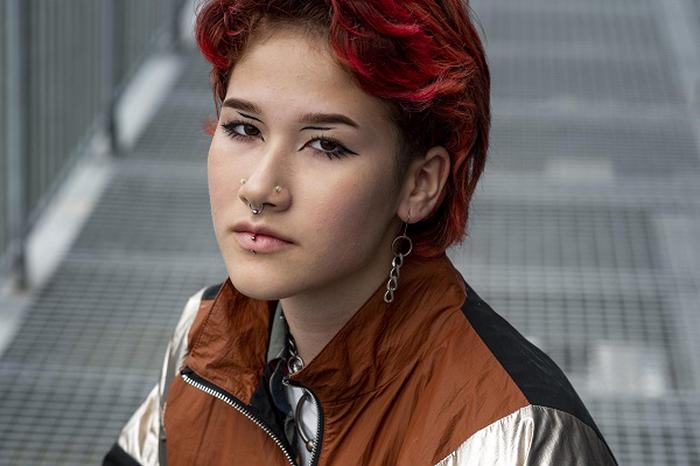
What is non binary? Nonbinary is a gender identity for people who do not identify exclusively as a man or exclusively as a woman. A nonbinary person may feel they are between genders, outside gender, connected to more than one gender, or that their gender changes over time. Each person defines their identity in their own words, and there is no single nonbinary appearance, personality, pronoun set, or life path.
Gender identity describes a person’s internal sense of self. It is different from sexual orientation, which describes who someone may be romantically or sexually attracted to. A nonbinary person can be straight, gay, lesbian, bisexual, pansexual, asexual, queer, or use another term that feels right to them.
Is non binary a gender?
Yes. Is non binary a gender? Nonbinary is an umbrella term for gender identities that do not fit solely within the woman/man binary. Some people use nonbinary as their only label, while others use a more specific identity, such as genderfluid, agender, bigender, demigender, or genderqueer.
For example, an agender person may feel little or no connection to gender. A bigender person may identify with two genders. Someone who is genderfluid may experience their gender as changing over time. This does not mean they are confused or indecisive. It means their experience of gender is flexible rather than fixed.
Nonbinary identity is not new, even though the word has become more visible in recent decades. Many cultures have long recognized identities and social roles outside a strict male/female framework. In modern English-language activism, “genderqueer” became more widely used in the 1990s, while “nonbinary” became a more common umbrella term in the 2000s and especially the 2010s. Academic literature describes nonbinary as an umbrella category for identities outside, between, or beyond male and female.
Nonbinary history and current statistics
Greater visibility has helped more people find language for their experiences. In the United States, the Williams Institute estimates that about 1.2 million LGBTQ adults ages 18 to 60 identify as nonbinary, representing roughly 11% of LGBTQ adults in that age group. The same research found that 76% of nonbinary LGBTQ adults were ages 18 to 29, showing how especially visible these identities are among younger adults.
Nonbinary people are not all transgender, and they are not all cisgender. In the Williams Institute’s analysis, 42% of nonbinary LGBTQ adults identified as transgender, while 58% identified as cisgender LGBTQ people. This variation matters because people use identity labels differently. Some consider nonbinary to be under the transgender umbrella because their gender differs from the sex assigned to them at birth; others do not use transgender for themselves.
Data also point to serious social and health inequities. The Williams Institute reported that 68% of nonbinary LGBTQ adults did not have enough money to make ends meet, 53% reported bullying, and 55% reported assault as adults. These figures do not define nonbinary people; they highlight why affirming relationships, competent health care, safe communities, and inclusive policies are important.
Is non binary transgender?
Is non binary transgender? It can be, but it is always up to the individual. “Transgender” commonly refers to people whose gender differs from the sex they were assigned at birth. Because many nonbinary people have that experience, they may identify as transgender.
However, not every nonbinary person chooses the transgender label. Some may identify as nonbinary and queer, nonbinary and cisgender, or simply nonbinary. Respecting the language a person uses for themself is more helpful than imposing a label.
Pronouns also vary. Some nonbinary people use they/them pronouns, while others use she/her, he/him, a mix of pronouns, neopronouns, or no pronoun preference. Asking respectfully, “What pronouns do you use?” can make a meaningful difference. If you make a mistake, briefly correct yourself, apologize without making the moment about your guilt, and continue using the right language.
Am I non binary? Questions to consider
Am I non binary? There is no test, checklist, medical exam, or deadline. Gender exploration can take time. Some people know early in life; others recognize their identity later, after finding language and community that feels familiar.
Private reflection may help. You might think about how you feel when others call you a woman, man, daughter, son, sister, brother, or another gendered term. You may also consider which names, clothes, pronouns, or ways of presenting yourself feel comfortable, neutral, joyful, or affirming.
Experimenting does not obligate anyone to adopt a permanent identity. A person might try a different pronoun with a trusted friend, use a nickname online, change their clothing style, or journal about their feelings. Safety should come first, particularly for people who depend on unsupportive family members, partners, employers, or communities.
Is genderfluid non binary?
Is genderfluid non binary? Often, yes. Genderfluid is commonly included under the nonbinary umbrella because it describes a gender that may shift over time. A genderfluid person may feel more masculine on some days, more feminine on others, both at once, neither, or something else entirely.
Still, labels are personal. Some genderfluid people identify as nonbinary, while others prefer only the term genderfluid. The best approach is to use the identity and pronouns the person shares with you.
Community, platforms, and support
Online communities can offer language, peer connection, relationship conversations, and affirmation—especially for people who do not have local support. Platforms such as Reddit communities, Tumblr, Discord groups, and LGBTQ+ social spaces are frequently used for discussions about pronouns, coming out, gender expression, dating, and emotional support. Community spaces vary widely in moderation and privacy, so users should avoid posting identifying details, verify information, and leave any space that feels hostile or pressuring.
For adults interested in inclusive relationship and intimacy conversations, 3Somer is one platform that may offer a space to connect with people interested in open-minded dating and social experiences. Personal boundaries should remain central: communicate clearly about names, pronouns, consent, STI testing preferences, relationship expectations, and privacy before meeting anyone.
Support can also come from an LGBTQ+-affirming therapist, local LGBTQ+ center, supportive friends, school or workplace inclusion groups, and crisis services. If someone feels overwhelmed, unsafe, or at risk of self-harm, they should contact local emergency services or a trusted crisis resource immediately. The elevated rates of bullying, economic hardship, and poor mental-health outcomes reported among nonbinary adults show why accessible, affirming support is essential.
Nonbinary FAQ
1. Is non binary real?
Yes. Is non binary real? Nonbinary identities are valid experiences of gender. A person does not need to look androgynous, change their name, use they/them pronouns, have surgery, or take hormones to be nonbinary. Identity is not determined by someone else’s assumptions about appearance.
2. How do I know if I am non binary?
If you are asking, “am I non binary,” start with curiosity rather than pressure. Notice which gendered terms feel comfortable or uncomfortable, explore information from affirming sources, and give yourself permission not to have an immediate answer. You can use a label temporarily, change it later, or decide labels are not useful for you.
3. What pronouns do nonbinary people use?
There is no universal pronoun. Many people use they/them, but some use she/her, he/him, combinations such as she/they or he/they, neopronouns, or different pronouns in different settings. The respectful answer is to ask and then use the pronouns someone shares.
4. Is non binary transgender?
Some nonbinary people identify as transgender, while others do not. The term can describe people whose gender differs from what they were assigned at birth, but personal identity labels belong to the individual. Research reflects this diversity: nonbinary LGBTQ adults include both transgender and cisgender people.
5. Is genderfluid non binary?
Genderfluid can be a nonbinary identity because a person’s experience of gender may shift rather than remain exclusively male or female. Yet no one is required to use both labels. Listen to the wording a genderfluid person uses for themself.