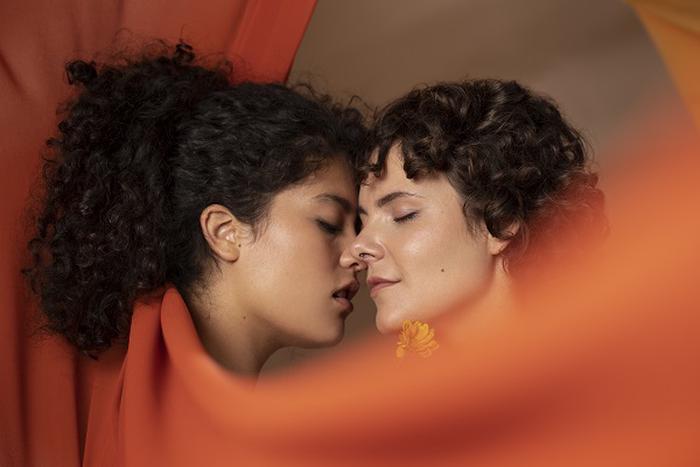
Wondering whether you are bisexual can bring curiosity, excitement, uncertainty, relief, or all of these feelings at once. There is no quiz, relationship history, or single experience that can prove your identity. Being bisexual generally means having the capacity for romantic and/or sexual attraction to more than one gender. Attraction does not have to be equal, constant, or expressed through dating in order to be real.
Bisexuality is a valid orientation, whether you are single, dating one person, in a long-term relationship, married, or still figuring things out. You do not need experience with people of every gender before you can use the label if it feels right to you.
Understanding the Bisexual Lifestyle
A bisexual lifestyle does not look the same for everyone. Some bisexual people are monogamous, while others may be interested in ethical non-monogamy, group dating, or connecting with bisexual couples. A person’s relationship style is separate from their orientation: bisexuality describes who someone can be attracted to, not how many partners they have or what type of relationship they must choose.
Professional population research shows that bisexuality is an important part of the broader LGBTQ+ community. The Williams Institute estimates that 5.5% of U.S. adults identify as LGBT, based on 2020–2021 survey data. Earlier national research has also found that bisexual people make up a substantial portion of people who identify as lesbian, gay, or bisexual. Because many people face stigma or do not feel safe disclosing their identity, surveys may not capture every person who experiences bisexual attraction.
It is also important to avoid stereotypes. Bisexual people are not “confused,” automatically unfaithful, or required to date multiple genders at once. Healthy bisexual couples can be monogamous, open, married, newly dating, or anywhere in between. Respect, honesty, communication, consent, and safer-sex planning matter far more than a label.
Signs You May Be Bisexual
You may be bisexual if you notice meaningful attraction to people of more than one gender. That attraction can be sexual, romantic, emotional, aesthetic, or a combination. For some people, it becomes clear early in life. For others, it develops or becomes easier to understand later.
Possible experiences include:
- You have crushes on, date, or fantasize about people of more than one gender.
- You feel romantic attraction differently depending on the person, rather than their gender alone.
- You have mostly dated one gender but still feel genuine attraction to others.
- You feel comfort, recognition, or relief when you read bisexual stories or meet openly bisexual people.
- You do not feel fully represented by labels such as straight or gay.
None of these points is a diagnostic test. Sexual orientation is personal, and only you can decide whether bisexual is the right word for your experience. You can also take your time. Some people use bisexual, pansexual, queer, fluid, questioning, or no label at all.
Bisexual Lifestyle FAQs
1. Do I need to date more than one gender to be bisexual?
No. Your identity is based on your capacity for attraction, not your dating record. Someone can be bisexual even if they have only dated one gender, have never had a relationship, or are currently in a committed partnership.
2. Can I be bisexual if my attraction is not 50/50?
Yes. Attraction does not need to be evenly divided. You may feel stronger attraction toward one gender, experience attraction differently across genders, or find that your feelings shift over time. Uneven attraction is still valid.
3. Can bisexual couples be monogamous?
Absolutely. Many bisexual couples choose monogamy and build loving, committed relationships. Others may agree on ethical non-monogamy. Neither approach is inherently more “bisexual”; the key is that everyone involved understands and freely agrees to the relationship boundaries.
4. Does being bisexual mean I want threesomes?
No. Orientation and sexual preferences are different. Some bisexual people enjoy group experiences, while many do not. If a couple looking for a female or a married couple looking for women wants to meet someone, every person should be treated as a full human being, not as an accessory to an existing relationship.
5. How can I explore bisexual meeting spaces safely?
Start slowly and choose environments that respect your privacy and boundaries. You might join LGBTQ+ community groups, attend inclusive social events, or use bisexual personals designed for open and respectful connections. Verify profiles, communicate expectations before meeting, meet in public initially, tell a trusted person your plans, and never feel pressured to share more than you want.
6. How do I talk with a partner about being bisexual?
Choose a calm, private time and speak honestly about what you have learned about yourself. Explain that identity does not automatically mean you want to change the relationship. You might say, “I want to share something important about how I understand my attraction. I identify as bisexual, and I care about being open with you.” Give your partner room for questions while also protecting your right to respect and dignity.
Support, Health, and Relationship Advice
Exploring identity can be emotional, especially when family, culture, faith, or past relationships have taught you that bisexuality is not accepted. If you feel anxious or isolated, consider talking with an LGBTQ+-affirming counselor, a trusted friend, or a local community organization. Supportive spaces can help you separate your own feelings from outside pressure.
For dating and sexual health, clear communication is essential. Discuss relationship expectations, consent, sexual boundaries, contraception where relevant, and STI testing before intimacy. Safer sex is not determined by a partner’s gender or orientation; it depends on the activities involved, honest conversations, and practical protection choices. Regular testing can be a caring part of sexual wellness for people with new or multiple partners.
If you are exploring connections with bisexual couples, make sure your wishes are heard. A couple looking for a female should communicate openly about whether they want friendship, dating, intimacy, or a longer-term arrangement. Likewise, a married couple looking for women should avoid assumptions and be transparent about boundaries, privacy, relationship agreements, and the ability of every person to say no at any time.
Find Your Community at Your Pace
You do not have to navigate bisexuality alone. Meeting other people who understand can make self-discovery feel less intimidating and more affirming. Whether you want friendship, conversation, dating, or bisexual meeting opportunities, choose spaces that value respect, consent, and honest communication.
3Somer can help adults explore connections in an open-minded setting. Create a profile that reflects what you genuinely want, state your boundaries clearly, and look for people whose communication feels considerate. Thoughtful bisexual personals can help you connect with individuals and couples who share your interests without rushing your process.
Your identity belongs to you. Give yourself permission to explore, ask questions, build connections, and choose the label—or no label—that feels most authentic.