

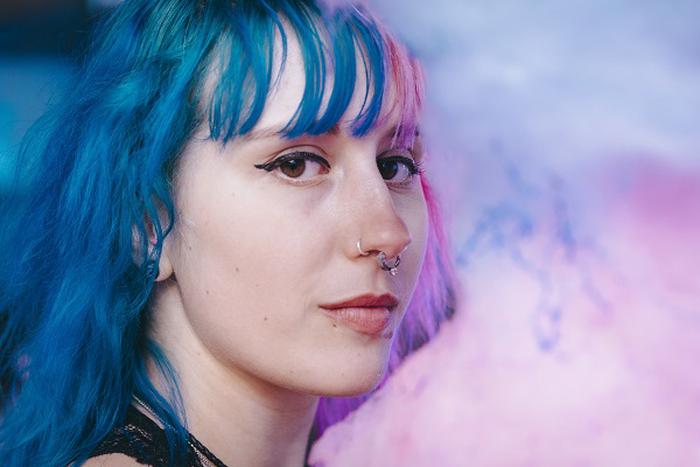
The meaning of the word queer has changed dramatically over the past several decades. Once widely used as a slur against LGBTQ+ people, the term has been reclaimed by many individuals and communities as an inclusive identity that celebrates diversity in sexual orientation and gender identity. As conversations about identity continue to expand across social media, more people are asking questions such as what does queer mean, what is a queer person, and what does it mean to be queer.
According to a 2024 Gallup survey, approximately 9.3% of U.S. adults identify as LGBTQ+, nearly double the percentage reported in 2020. Younger generations, especially Generation Z, are more likely to identify with broad labels such as queer rather than traditional categories. Organizations including The Trevor Project and GLAAD have also reported growing visibility and acceptance of queer communities worldwide, although many people still experience discrimination and unequal access to healthcare.
Queer Definition: How the Meaning Has Evolved
The queer definition is intentionally broad. Today, many people use queer as an umbrella term that includes individuals whose sexual orientation, romantic attraction, or gender identity differs from heterosexual or cisgender norms.
When people define queer, they often emphasize flexibility rather than strict categories. Some people identify as gay, lesbian, bisexual, pansexual, transgender, nonbinary, or asexual while also embracing the queer label because it better reflects their personal experience.
The definition of queer is not identical for everyone. For some, it represents a political movement advocating equality and inclusion. For others, it simply provides a comfortable identity without requiring highly specific labels.
What Is a Queer Person?
One of the most common online questions is what is a queer person.
A queer person is someone whose sexual orientation, romantic orientation, gender identity, or gender expression falls outside traditional heterosexual and cisgender expectations. Some individuals identify exclusively as queer, while others combine queer with another identity.
Another frequently searched question is what is a queer. Although the phrase appears in search engines, many LGBTQ+ advocates recommend saying "queer person" because it is more respectful and person-centered.
People also frequently ask, whats queer? The simplest answer is that queer is an inclusive identity chosen by many people who prefer a flexible term over more specific labels.
Queer Platonic Relationships and Modern Connections
The rise of online communities has introduced more people to queer platonic relationships. These relationships involve deep emotional commitment that may resemble a life partnership without necessarily including romantic or sexual attraction.
Queer platonic relationships are especially common among aromantic and asexual communities, although anyone may choose this type of connection. Partners often share housing, finances, family responsibilities, or long-term life plans while defining the relationship in ways that fit their own needs.
As society becomes more accepting of diverse relationship structures, queer platonic relationships continue to receive greater recognition across social platforms and academic research.
What Does Queer Woman Mean?
Another popular search is what does queer woman mean.
A queer woman may identify as lesbian, bisexual, pansexual, or another identity while choosing queer as the label that best represents her experiences. Some women prefer queer because it allows room for personal growth without limiting their identity to one specific category.
Language continues to evolve, so the preferred terminology varies from person to person. Respecting each individual's chosen identity remains one of the most important aspects of inclusive communication.
FAQ: Popular Questions About Queer Identity
1. What does it mean to be queer?
There is no universal definition. What does it mean to be queer depends on the individual. Many people use queer because it reflects a broad range of attractions, identities, or gender experiences without requiring strict labels.
2. Is queer the same as LGBTQ+?
Not exactly. LGBTQ+ refers to a collection of identities, while queer can function as an umbrella term that some—but not all—members of the LGBTQ+ community choose to use.
3. Can someone identify as queer even if they are still exploring?
Yes. Many people use queer during periods of self-discovery because it provides flexibility without requiring immediate certainty about sexual orientation or gender identity.
4. Are queer platonic relationships real relationships?
Absolutely. Queer platonic relationships involve meaningful emotional commitment, trust, and long-term partnership, even if they are not romantic or sexual.
5. Is it okay to call someone queer?
Only if that person identifies with the term. Because queer has a complex history, some individuals proudly embrace it while others prefer different labels. Respecting personal preferences is always recommended.
Social, Healthcare, and Daily Living Tips
Building a supportive community can improve both mental and emotional well-being. Local LGBTQ+ community centers, university organizations, and online discussion groups often provide opportunities to meet people with similar experiences in safe environments.
Regular healthcare is equally important. Finding healthcare providers who are knowledgeable about LGBTQ+ health can improve communication, preventive care, sexual health education, and mental health support. Organizations such as The Trevor Project, GLAAD, local LGBTQ+ centers, and national health services also provide educational resources and referrals.
For social connections, many people participate in community events, Pride celebrations, hobby clubs, volunteer activities, and inclusive dating or friendship platforms that welcome queer individuals. These environments often encourage authentic conversations and lasting friendships.
If you identify as queer or simply want to connect with people who value diversity and inclusion, now is a great time to become involved in welcoming communities. Whether through local events, online groups, or inclusive social platforms, meaningful relationships often begin with open conversations and mutual respect. Every connection helps strengthen a more inclusive community where everyone has the opportunity to express their authentic identity with confidence.