

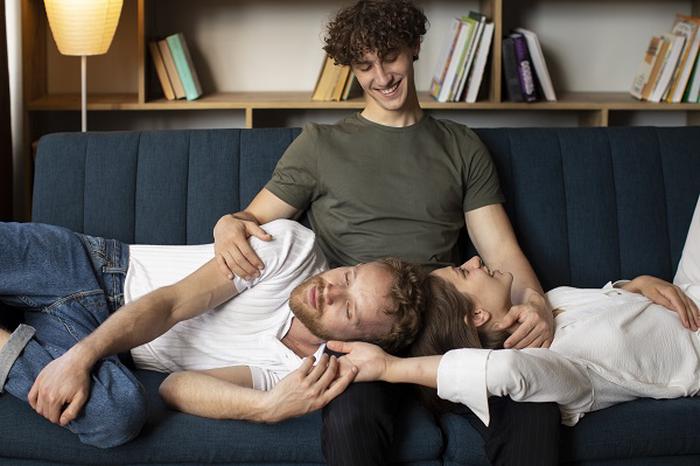
 The experience of bisexual people in the United Kingdom has entered a new era—one where fluid attraction is met with curiosity, connection, and confidence. Over the past decade, social attitudes have shifted dramatically. A 2024 YouGov study found that 12% of British adults identify as bisexual or bi curious, a figure that continues to rise among those under thirty. This growing openness has transformed not only identity but the landscape of modern relationships, reflected in how people meet, communicate, and fall in love.
With online spaces overtaking traditional dating environments, digital platforms catering to diverse communities are thriving. For bisexual individuals, these tools aren’t simply about matching—they are about recognition. The demand for bisex online interaction has soared, reaching what social researchers call the “digital intimacy” stage of British relationship culture.
Visibility, Voices, and Validation
Visibility matters, particularly for a group that has long been marginalized within LGBTQ+ discourse. Stonewall UK’s recent data paints an encouraging picture: seven out of ten bisexual Britons say they now feel seen and supported by their peers, a notable rise from ten years ago. This sense of affirmation has fueled participation in inclusive dating spaces and bi chat communities that encourage meaningful dialogue over fleeting encounters.
Experts attribute part of this progress to stronger representation in British media. From the ensemble realism of Sex Education to the tenderness of Heartstopper, bisexual characters are finally depicted without sensationalism. “We’re witnessing a normalization of bisexual attraction that mirrors everyday life,” notes Dr. Emily Carter, a sociologist at King’s College London. “This reflection gives people permission to explore connection on their own terms.”
Technology as a Bridge, Not a Barrier
Among the new tools redefining connection is 3somer, a dating app designed for open‑minded individuals and bisexual couples exploring shared experiences. Described by The Independent as “a refreshingly inclusive platform for authentic connection,” and highlighted by Metro UK for its approach to consent and safety, the app has become a frequent talking point in discussions about bisex threesomes and modern sexual fluidity.
Unlike one‑directional dating platforms, 3somer operates with transparency at its core. Its structure promotes clear boundaries and honest profiles, offering a safe space for those who identify as bi curious but wish to navigate attraction thoughtfully. The app’s bi chat function allows users to connect in real time while emphasizing identity respect—an appealing alternative for many who have felt overstigmatized on mainstream platforms.
Cultural Momentum and Mainstream Acceptance
The cultural momentum around bisexual identity in the United Kingdom is more than anecdotal. The Office for National Statistics recently reported that participation in queer pride events rose by 18% between 2021 and 2024, with bisexual attendees making up one of the fastest‑growing segments. This collective presence reflects a broader appetite for authenticity and nuanced discussions around love, loyalty, and emotional transparency.
British social culture has, in turn, adapted. Urban centers like London, Manchester, and Brighton—each home to progressive nightlife and artistic subcultures—serve as hubs for bisex online communities that blend digital and physical experience. Relationship coaches and therapists now host workshops on multi‑partner communication and emotional ethics, topics that only a few years ago would have been kept behind closed doors.
How the United Kingdom Sets a Global Standard
While bisexual dating remains a diverse and deeply personal experience, many observers argue that the United Kingdom now sets the tone for global inclusivity. The British Council has noted the country’s influence in promoting LGBTQ+ cooperation across Europe and its role in exporting digital innovation through inclusive tech startups.
Apps like 3somer symbolize this intersection of visibility and technology. By offering bisexual people practical tools for exploration and conversation, such platforms illustrate how modern relationships can center autonomy and responsibility. They help dismantle the outdated notion that attraction across more than one gender demands hiding or compromise.
Open dialogue—both online and off—is becoming Britain’s quiet revolution. Through transparent bi chat, shared social spaces, and supportive relationships, bisexual individuals are reshaping what connection means in the digital age. What emerges is a modern love story built not on limitation, but on choice.