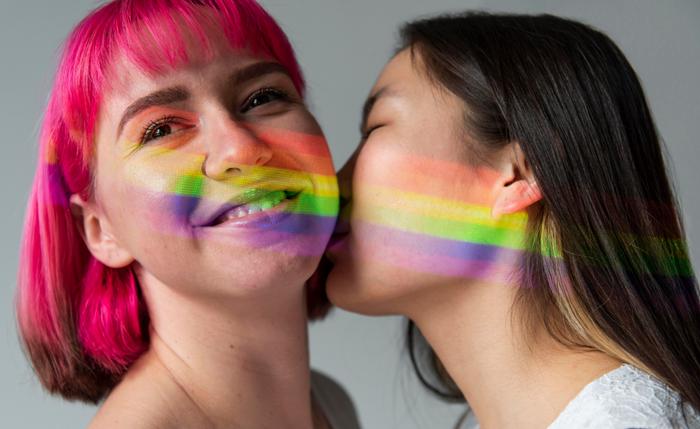
When you hear someone say they're bisexual, it's easy for thoughts like, "So, they're attracted to everyone?" or "Are they confused?" to pop into your mind. But that's a misunderstanding. Being bisexual isn't about being attracted to literally everyone - it's about having the capacity to be attracted to more than one gender. And how that looks can be totally different for each person.
At its core, bisexuality is a sexual orientation. It's a way of describing the potential for romantic, emotional, or sexual attraction to multiple genders. That doesn't mean a bisexual person experiences attraction to men and women equally, at the same time, or in the same way. Some may feel a strong connection to one gender at certain points in their life and a different pattern later on. The key is, their attraction isn't limited to just one gender.
You don't need to have dated multiple genders to know you're bisexual. Identity is about who you're capable of being attracted to, not just your dating history.
Common Misconceptions About Bisexuality
Bisexuality comes with its share of myths. One common misconception is that bisexual people are "confused" or "experimenting." The reality? Bisexuality is just as real and valid as being straight, gay, or any other sexual identity. It's about attraction, not behavior.
Another myth is that bisexual people are hypersexual or incapable of commitment. In truth, bisexual people can be single, in long-term monogamous relationships, exploring polyamorous dating, or any combination. Their orientation doesn't dictate their lifestyle - it simply describes who they can be attracted to.
Living as a Bisexual Person: Daily Life and Experiences
Being bisexual isn't just about who you date or who you're physically attracted to. It touches friendships, emotional bonds, and how someone experiences the world. For example:
- A bisexual person may notice crushes or attraction that aren't limited to one gender.
- They might navigate spaces where their identity is visible - or, unfortunately, ignored or erased.
- Their attraction can shift over time or depending on context, without changing their identity.
Because society often assumes everyone is straight, bisexual people sometimes face invisibility or misunderstanding - even within queer communities. That's why conversations, education, and visibility are so important.
Bisexuality and Romantic Relationships
Being bisexual doesn't prescribe how someone dates or loves. A bisexual person might:
- Be in a monogamous relationship with one gender.
- Explore non-monogamous relationships or polyamorous dating.
- Experience romantic and sexual attraction independently, where one doesn't always match the other.
The common thread? Connection and honesty. Bisexuality simply describes who someone can be attracted to - it doesn't define relationship rules or structure.
Bisexuality Compared to Other Multisexual Identities
Some wonder how bisexuality differs from pansexuality, omnisexuality, or fluid sexual identities. Pansexuality usually refers to attraction regardless of gender, while bisexuality refers to attraction to more than one gender, though gender can influence how that attraction feels. Fluid, omnisexual, or other multisexual terms describe experiences that shift over time or put varying emphasis on gender.
Labels are tools for self-understanding and communication - they're not strict rules. Some people use multiple labels depending on context; others stick with one. What matters is authenticity.
Gender Expression and Bisexual Attraction
Being bisexual doesn't mean being equally attracted to all gender expressions. Some may prefer femininity, masculinity, or other expressions - but this doesn't invalidate their bisexuality. Attraction is about the gender identity itself, not just appearance. A bisexual person might mostly date one type of gender expression but remain open to more than one gender.
Why Understanding Bisexuality Matters
Bisexual people face unique challenges: invisibility, stereotypes, and misunderstanding can cause emotional and social stress. Bisexual youth, in particular, are at higher risk for mental health struggles than their straight, gay, or lesbian peers.
Supporting bisexual people and raising awareness is key to building inclusive communities. When society recognizes and normalizes bisexuality, people feel seen, respected, and free to love authentically.
How to Be a Supportive Ally
- Don't assume someone's orientation based on their current partner.
- Avoid saying "you're just confused" or "it's a phase."
- Respect their identity and believe them when they define themselves.
- Speak up against bisexual erasure or harmful stereotypes.
Being bisexual means having the capacity for attraction to more than one gender. It's not a phase or confusion - it's a real, valid sexual orientation. Bisexual people can be single, in relationships, exploring polyamorous dating, or discovering themselves - and all of these are equally valid.
By understanding bisexuality, we create a world that respects everyone's identity and allows people to form loving connections freely, without judgment.